How Parents Shape Young Athletes: A Guide to Support and Success

- ioannis toumpanakis
- November 18, 2024
How Parents Shape Young Athletes: A Guide to Support and Success
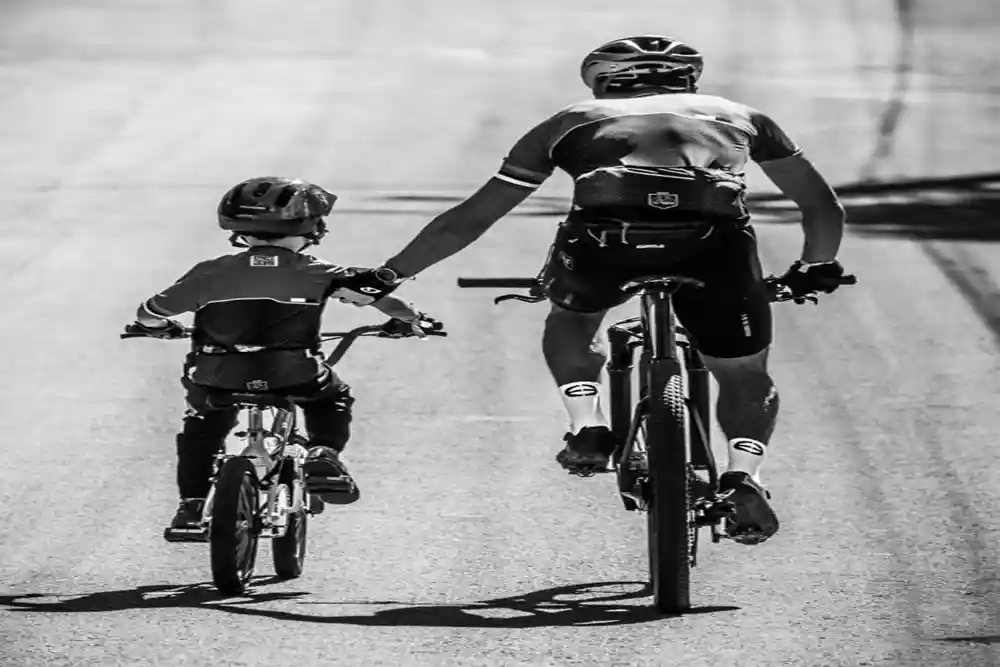
Young athletes need both physical and mental resilience, and a major influence on their journey comes from parents. Their actions and attitudes can either nurture a love for sports or create stress and burnout. Let’s explore how different parenting behaviors impact young athletes' psychology and performance, along with practices for creating a positive sports environment.
The Power of Parental Influence
Motivation is Key
What drives a young athlete to keep competing? According to Self-Determination Theory (SDT), kids need a sense of autonomy, competence, and connection to thrive (Ryan & Deci, 2000). When parents support their kids in making decisions about sports involvement, they help foster a sense of ownership and excitement. For example, letting a soccer player choose a preferred position boosts their investment in the game. However, when parents impose strict expectations or micromanage, the sport can feel like a chore instead of an enjoyable activity (Kovács et al., 2024).
Goal Orientation
Achievement Goal Theory (AGT) differentiates between mastery (focused on improvement) and ego (focused on outperforming others) goals. When parents emphasize mastery, it fosters resilience and a focus on personal growth (Nicholls, 1984). Conversely, pressuring kids to outperform peers can heighten anxiety, especially if they start fearing failure. Understanding these orientations helps parents set expectations that nurture a passion for sports without adding pressure.
Striking the Balance Between Support and Pressure
Benefits of Supportive Involvement
Parents who offer genuine encouragement and positive reinforcement tend to boost both athletic and academic performance in their children (Kovács et al., 2024). For instance, cheering a young gymnast on, regardless of her performance, promotes confidence and risk-taking. However, parents who display disappointment or frustration can unintentionally increase performance anxiety in their kids. Balancing realistic expectations with enthusiasm contributes to a healthier sports environment.
Risks of Excessive Pressure
Excessive pressure can lead to “obsessive passion,” where sports become a compulsion for external approval, often resulting in burnout (Kovács et al., 2024). To avoid this, parents should gauge their involvement based on their child’s enjoyment and goals. Asking questions like “Are you having fun?” or “What do you want to achieve?” can help parents adjust their support.
The Power of Communication
Effective communication is the foundation of a healthy parent-athlete relationship. Parents who provide constructive feedback foster resilience and confidence. Positive reinforcement, paired with open communication, enhances self-efficacy, helping athletes take on challenges and bounce back from setbacks (Gao et al., 2024).
Positive and Constructive Feedback
For example, a young swimmer who hears her parents praising her dedication instead of her times gains confidence and enthusiasm. Focusing on effort rather than outcomes teaches kids that progress is an ongoing journey, encouraging them to take on challenges. Conversely, negative communication, such as constant criticism, can create self-doubt and diminish a child’s enjoyment in sports (Tessitore et al., 2020).
Setting Realistic Expectations
Goal-setting is a critical part of the sports journey, and parental expectations significantly impact a young athlete’s experience. Unrealistic goals, like expecting scholarships or professional success, add pressure and may lead to stress or disengagement (Tessitore et al., 2020). Supporting kids in setting their own, achievable goals nurtures confidence and independence. For example, helping a child set a goal like improving a skill or learning a new move enables them to measure progress on personal terms, fostering a growth mindset. Involving children in the goal-setting process also empowers them to feel accountable for their progress, reinforcing commitment and enjoyment in their sport.
The Role of Parental Modeling
Parents are primary role models for young athletes, and their attitudes and behaviors around sports deeply influence their children. Research shows that kids whose parents demonstrate resilience, respect, and positivity toward sports are more likely to adopt these values (Gao et al., 2024). By modeling how to handle both wins and losses gracefully, parents teach children to appreciate both experiences. For instance, celebrating victories modestly and discussing lessons from defeats helps athletes stay grounded. However, projecting personal dreams onto children can create a burden; kids may feel they have to succeed for their parents’ sake rather than their own (Tessitore et al., 2020). To avoid this, parents should focus on supporting their child’s unique journey.
The Importance of Emotional Support
Emotional support is crucial in a young athlete’s development. Parents who create a nurturing environment contribute significantly to their child’s well-being, enabling them to take risks and face challenges with confidence. Parental encouragement during challenging moments, like after a tough loss, reinforces resilience. When parents focus on effort rather than results, children learn that setbacks are natural and part of growth. Additionally, parents should strive to be active listeners. Sometimes, young athletes need someone who will listen without judgment. Being present and attentive helps young athletes process emotions, building both their coping skills and self-confidence.
Conclusion
Parents play a profound role in shaping young athletes’ sports experiences. By fostering a supportive environment, setting realistic goals, and maintaining open communication, parents can help young athletes build resilience, confidence, and a love for sports. The key is to balance support with autonomy, allowing children to explore their potential joyfully and independently. Parental involvement should empower, not control, enabling young athletes to thrive.
References
- Gao, Z., Chee, C. S., Norjali Wazir, M. R. W., Wang, J., Zheng, X., & Wang, T. (2024). The role of parents in the motivation of young athletes: A systematic review. Frontiers in Psychology, 14, 1291711.
- Kovács, K., Oláh, Á. J., & Pusztai, G. (2024). The role of parental involvement in academic and sports achievement. Heliyon, 10, e24290.
- Tessitore, A., Capranica, L., Pesce, C., De Bois, N., Gjaka, M., Warrington, G., & Doupona, M. (2020). Parents about parenting dual career athletes: A systematic literature review. Psychology of Sport & Exercise, 53, 101833.

EAGLE Sports Integrity Services is a team led by highly distinguished professionals who are deeply committed to promoting clean, transparent, equitable, and sustainable sports.
Copyright © 2026 EAGLE Sports Integrity Services